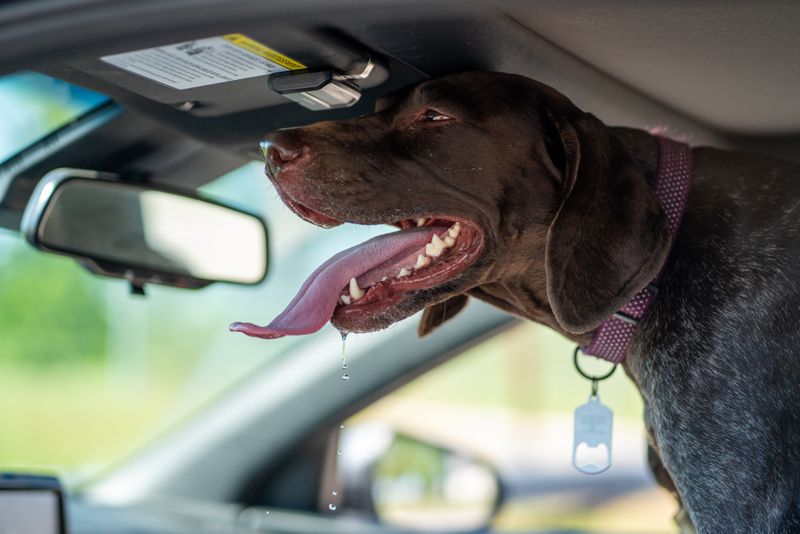
Toronto summers are getting dangerously hot for dogs
Last summer, Toronto recorded six separate heat waves, 14 days above 32°C, and 24 nights that never dropped below 20°C — more than double the historical average. Environment Canada forecasts 2026 will be among the hottest years on record globally.
This isn’t about comfort. Dogs die from heat every summer in Ontario, and most of those deaths are preventable.
Here’s what every dog owner in the GTA needs to know.
Heat stroke kills 1 in 7 dogs it affects
Heat stroke occurs when a dog’s core body temperature exceeds 41°C (normal is 38.3–39.2°C). At that temperature, proteins start to denature, organs begin to fail, and death can follow within an hour without intervention.
The overall fatality rate is approximately 14%. In severe cases that reach the emergency vet, the fatality rate climbs to 36–50%.
But here’s the stat that matters most: dogs cooled before arriving at the vet are 2.5x more likely to survive. Knowing what to do in the first few minutes is the difference between life and death.
The biggest myth: it’s not just hot cars
A landmark study of 900,000+ dogs found that 74% of heat stroke cases are caused by exercise — not being left in cars. Of those exercise-related cases, 68% were triggered by something as simple as walking in the heat.
The breakdown:
- 74% — exertion (walking, running, playing)
- 13% — hot weather exposure (just being outside)
- 5% — left in vehicles
- 8% — other causes
Most dog owners worry about leaving their dog in the car. They should worry more about that afternoon walk.
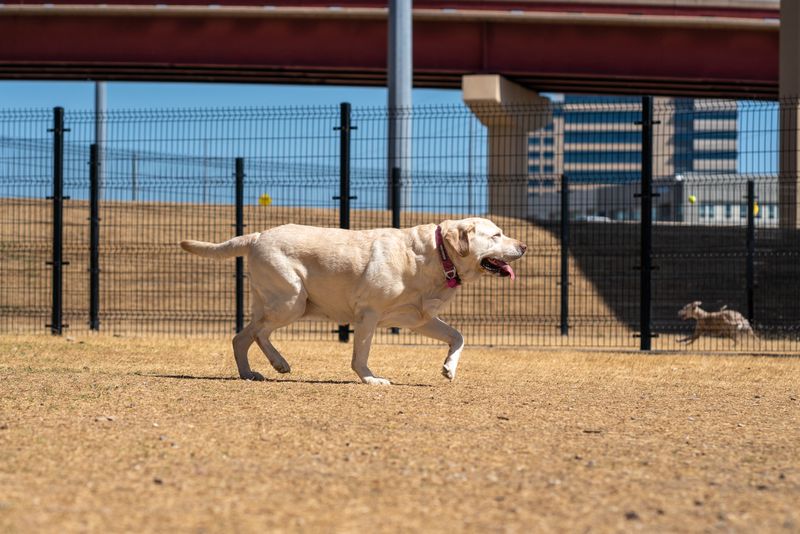
Which breeds are at highest risk
Compared to Labrador Retrievers as a baseline:
| Breed | Risk multiplier |
|---|---|
| Chow Chow | 17x |
| Bulldog | 14x |
| French Bulldog | 6x |
| Dogue de Bordeaux | 5x |
| Greyhound | 4x |
| Cavalier King Charles | 3x |
| Pug | 3x |
| Golden Retriever | 3x |
| Springer Spaniel | 3x |
Why these breeds:
- Flat-faced breeds (Bulldogs, Frenchies, Pugs) have compromised airways that make panting far less effective
- Thick-coated breeds (Chow Chow, Golden Retriever) trap warm air against the body
- High-muscle breeds (Greyhound) generate more internal heat during exertion
Additional risk factors: dogs that are overweight (1.5x higher risk) and dogs over 2 years old are more vulnerable than puppies.
Hot pavement: the danger most people underestimate
The air temperature and the pavement temperature are not the same thing. On a sunny day:
| Air temperature | Asphalt temperature |
|---|---|
| 25°C (77°F) | Up to 52°C (125°F) |
| 30°C (86°F) | Up to 57°C (135°F) |
| 35°C (95°F) | Up to 68°C (155°F) |
At 49°C, paw pad tissue damage begins in 60 seconds of contact. That means on a 25°C day — which most people consider “nice weather” — asphalt in direct sun can already burn your dog’s paws.
Asphalt is also 22°C+ hotter than grass at the same time of day. Walking on the sidewalk vs. the grass beside it is the difference between safe and harmful.
The 7-second test
Place the back of your hand flat on the pavement and hold for 7 seconds. If you can’t keep it there, it’s too hot for your dog.
Important: Pavement retains heat for hours after peak sun. Even at 7 PM on a hot day, the ground may still be dangerously hot. Test before every walk.
The humidity factor most people miss
Dogs cool themselves through panting — evaporating moisture from the tongue and respiratory tract. They barely sweat (only through paw pads).
When humidity is high, panting becomes dramatically less effective because the air is already saturated with moisture. Your dog’s internal temperature can spike even at moderate air temperatures.
The 150 Rule
Add the air temperature (in Fahrenheit) + the relative humidity percentage. If the number exceeds 150, it is unsafe for your dog to exercise outdoors.
- 80°F + 70% humidity = 150 — danger threshold
- 85°F + 50% humidity = 135 — take precautions
- 90°F + 70% humidity = 160 — extremely dangerous, stay inside
Toronto summers are notoriously humid. During the 2025 heat waves, humidex values regularly hit 35–42°C. Your dog isn’t just dealing with heat — they’re dealing with heat they can’t escape through their own cooling system.
Cars: faster and deadlier than you think
Even on a “mild” day:
- At 24°C outside: car interior reaches 38°C in 10 minutes, approaching 50°C in 30 minutes
- At 27°C outside: interior hits 43°C in 20 minutes
- At 29°C outside: interior exceeds 55°C within an hour
80% of the temperature rise occurs in the first 30 minutes. And cracking the windows does NOT significantly slow the heating or reduce the maximum temperature.
Ontario law
Under Ontario’s PAWS Act, leaving a pet unattended in a parked vehicle that endangers its health or safety is illegal. The penalties are among the toughest in Canada:
- Up to $130,000 fine and/or 2 years in prison (first offence)
- Up to $260,000 for subsequent offences
- Minimum $25,000 if the animal dies or must be euthanized
- Police and provincial inspectors can enter vehicles to remove animals in distress
If you find a dog in a hot car: call 911 immediately. Ontario does NOT have a Good Samaritan law allowing civilians to break car windows. You can also call the Ontario animal welfare hotline: 1-833-926-4625.
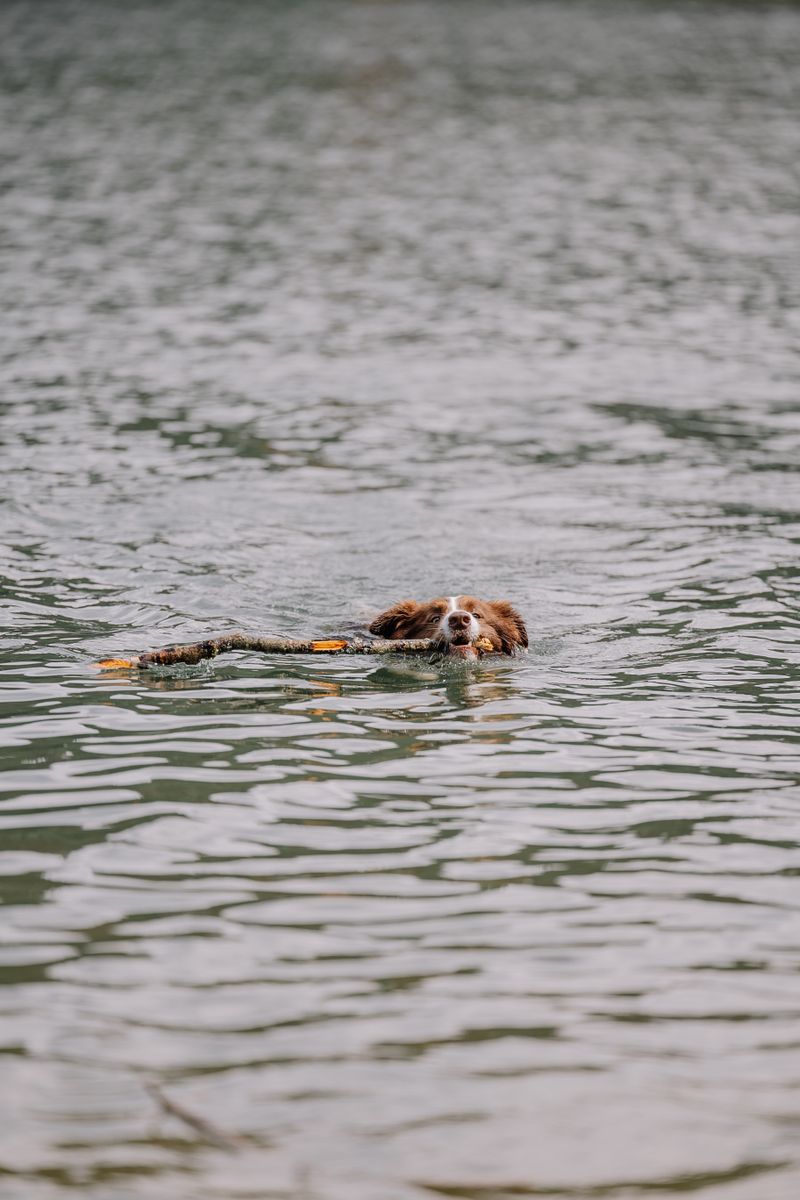
Water safety: it’s not all safe
Blue-green algae — the invisible killer
Blue-green algae (cyanobacteria) blooms in Ontario lakes can kill a dog within minutes to hours of exposure. There is no antidote.
Dogs are especially vulnerable — they ingest contaminated water while swimming, lick their wet fur afterwards, or eat dried algae crust along shorelines. Three dogs died within one hour of swimming in a natural pond in Ontario in a documented case.
Ontario lakes with recent advisories (2024–2025):
- Lake Simcoe: Kempenfelt Bay, southwest shoreline near Innisfil Beach Park
- Muskoka: Three Mile Lake, Stewart Lake
- Simcoe County: Orr Lake, MacLean Lake, Midland Bay
- Lake Erie: western basin
What to look for: Scum, foam, or paint-like streaks on the water surface (often green/blue-green). If you see it, keep your dog out. You cannot tell if a bloom is toxic by looking — treat all blooms as dangerous.
Report sightings to the Ontario Ministry of the Environment: 1-866-663-8477.
Toronto beaches
Toronto’s beaches are monitored daily for E. coli. Seven beaches received Blue Flag certification in 2025. But avoid swimming for 24–48 hours after heavy rainfall — combined sewer overflow can spike contamination. Check swimdrinkfish.ca before going.
Water intoxication
Dogs that repeatedly dive for balls or swim with their mouths open can ingest dangerous amounts of water, leading to hyponatremia (water intoxication). It’s rare but can be fatal.
Prevention: limit underwater fetch to 15–20 minute sessions with breaks. Use flat toys that float on the surface instead of balls that sink. Watch for symptoms: pale gums, confusion, lethargy, stumbling.
Early warning signs — catch it before it becomes an emergency
Overheating (act now):
- Excessive panting (faster, louder than normal)
- Thick, ropey drool
- Bright red tongue and gums
- Reluctance to move or lagging on walks
- Seeking shade, lying down and refusing to get up
- Glazed eyes
Heat stroke (emergency — go to the vet):
- Vomiting or diarrhea (may contain blood)
- Gums turning pale, grey, or blue
- Collapse
- Seizures
- Loss of consciousness
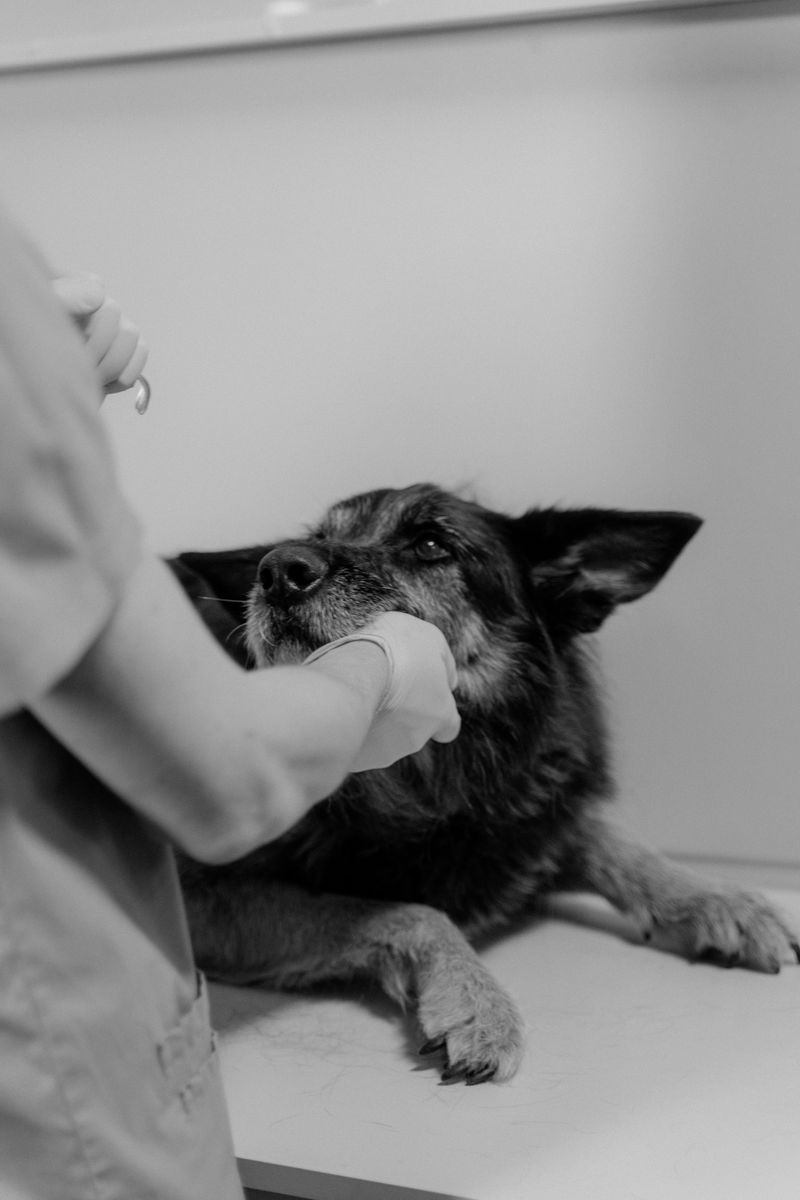
If your dog has heat stroke: the steps that save lives
- Move to shade or air conditioning immediately
- Pour cool (NOT ice cold) water over the neck, armpits, and groin — areas with less fur, close to blood vessels
- Use a fan or create airflow for evaporative cooling
- Offer small amounts of cool water — don’t force it
- Call your emergency vet while cooling
- Transport to the vet with AC blasting, continuing to wet the dog
What NOT to do
- Do NOT use ice water or ice packs. Ice causes blood vessels at the skin to constrict, trapping heat in the core. This actually makes it worse. This is the most dangerous myth.
- Do NOT cover the dog with wet towels. Towels insulate and prevent evaporative cooling. Wet the dog directly.
- Do NOT force water into a collapsed or unconscious dog’s mouth.
Always go to the vet
Even if your dog appears to recover, always go to the emergency vet. Internal organ damage (kidneys, liver, brain) can be delayed by hours. Heat stroke can cause disseminated intravascular coagulation (DIC) — a life-threatening clotting disorder — long after the event.
24/7 Emergency Vets in the GTA
- Veterinary Emergency Clinic South — 920 Yonge St, Toronto — (416) 920-2002
- VEC North — 280 Sheppard Ave East, Toronto — (416) 226-3663
- Central Toronto Veterinary Referral Clinic — (416) 784-4444
- Toronto Veterinary Emergency Hospital — 21 Rolark Dr, Scarborough — (416) 247-8387
- Animal Health Partners — 24/7 walk-in emergencies — animalhealthpartners.com
Save these numbers in your phone now. You won’t have time to Google when it matters.
Your summer game plan
Daily habits
- Walk before 8 AM or after 7 PM — no exceptions on hot days
- Do the 7-second pavement test before every walk
- Carry water and a collapsible bowl on every outing
- Watch for early signs — excessive panting, reluctance, bright red gums
On hot days (above 30°C)
- Substitute outdoor exercise with indoor enrichment — puzzle toys, frozen Kongs, training games, nose work
- Use a cooling vest on high-risk breeds
- Provide shade and fresh water in the yard at all times
- Apply the 150 Rule — if temperature (°F) + humidity > 150, stay inside
At the lake or beach
- Check for blue-green algae advisories before visiting any Ontario lake
- Rinse your dog thoroughly after swimming
- Limit fetch-in-water to 15–20 minutes with breaks
- Avoid swimming 24–48 hours after heavy rain
Non-negotiables
- Never leave your dog in a parked car. Not for a minute. Not with windows cracked.
- Know your breed’s risk level — flat-faced, overweight, thick-coated, and senior dogs need extra caution
- Keep emergency vet numbers in your phone
The bottom line
Toronto summers are measurably hotter than even five years ago. The number of dangerous-heat days has roughly doubled. A 2025 CBC report found that summers like last year’s will be the average by 2050.
Planning around heat isn’t optional anymore — it’s part of responsible dog ownership in the GTA.
The good news: with basic awareness and simple habits, you and your dog can enjoy every summer day safely. Just be smarter than the heat.
At K9 Academy, we train in real-world conditions — including heat management on outdoor sessions. Our group obedience classes teach structured walk protocols that work year-round, and our Stouffville facility offers shaded, controlled training environments during peak summer. Questions? Call 437-778-5273.